
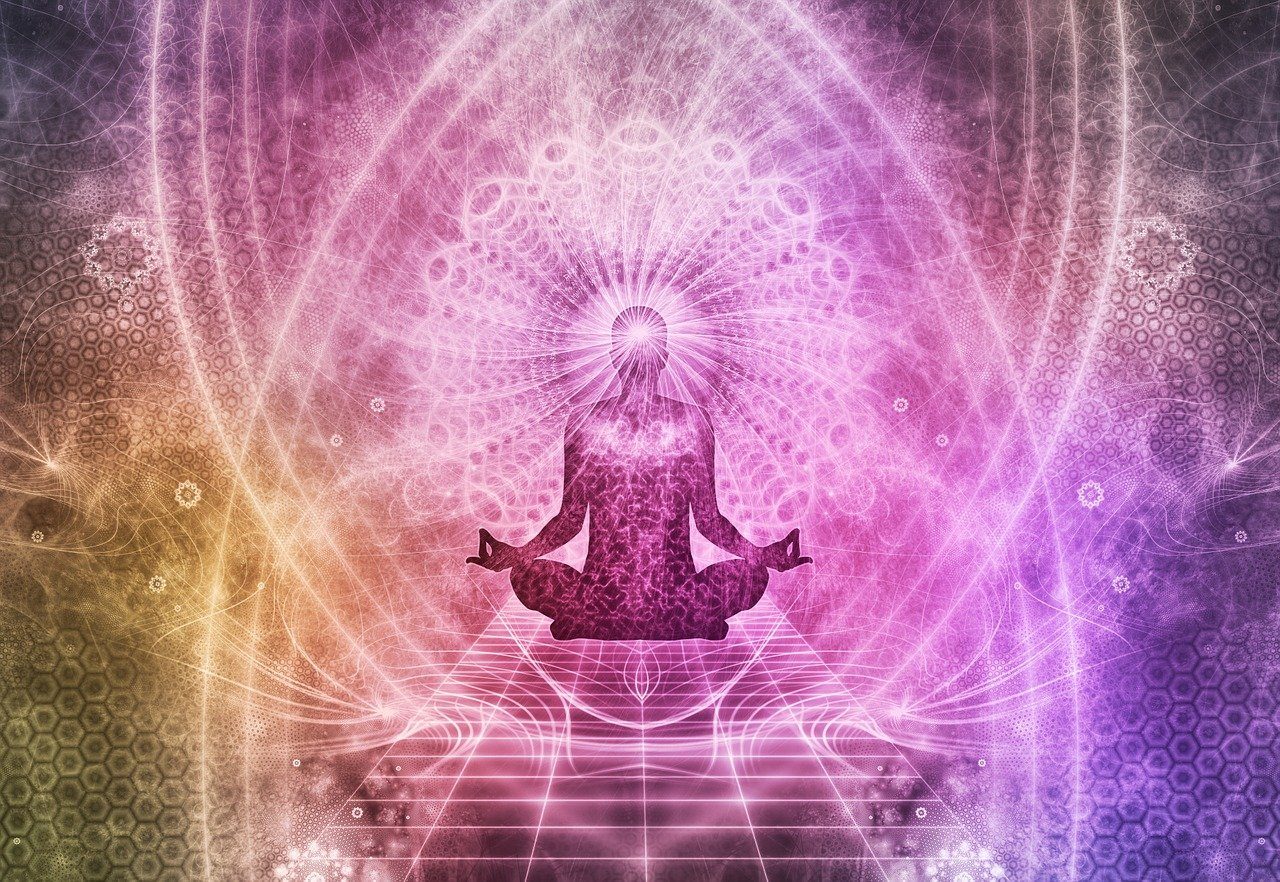

Spiritual Awakening Symptoms: Recognizing the Signs of Inner Transformation
If you have been feeling a profound shift in your perception, emotions, or sense of self, you may be experiencing symptoms of spiritual awakening. These signs can be subtle or overwhelming, and understanding them can help you navigate this transformative journey with clarity and confidence. Whether you are new to the concept or deep in the process, this guide will walk you through the most common symptoms, what they mean, and how to embrace the changes unfolding within you.
What Is a Spiritual Awakening?
A spiritual awakening is a deeply personal experience in which an individual begins to question the nature of reality, their purpose, and their connection to something greater than themselves. It often marks a turning point — a shift from living on autopilot to becoming more conscious, intentional, and aware. This awakening can be triggered by a major life event, a period of deep suffering, meditation practice, or sometimes it simply arrives without warning.
Understanding the signs is the first step toward embracing the process rather than resisting it. Below, we explore the most widely recognized spiritual awakening symptoms so you can identify where you are on your journey.
Common Physical Spiritual Awakening Symptoms
The body often reflects what is happening on a deeper energetic and spiritual level. Many people report physical changes during a spiritual awakening that can feel confusing or even alarming at first.
- Increased sensitivity to light and sound: You may find yourself overwhelmed by bright lights, loud environments, or crowded spaces.
- Changes in sleep patterns: Insomnia, vivid dreams, or waking up between 3 and 5 AM are frequently reported experiences.
- Tingling sensations: Many people feel tingling or warmth in the hands, feet, or crown of the head, often associated with energy movement.
- Fatigue and exhaustion: The process of inner transformation can be energetically demanding, leaving you feeling deeply tired.
- Changes in appetite: You may lose interest in certain foods, particularly processed or heavy meals, and crave lighter, more natural options.
Emotional and Psychological Symptoms
Emotional upheaval is one of the most intense aspects of a spiritual awakening. Old wounds, suppressed emotions, and unresolved traumas often rise to the surface to be healed and released.
Heightened Emotional Sensitivity
You may find yourself crying more easily, feeling deep empathy for others, or experiencing waves of joy and sadness without an obvious cause. This emotional fluidity is a natural part of the awakening process as your heart opens and old emotional armor dissolves.
Feelings of Isolation or Loneliness
One of the more challenging spiritual awakening symptoms is a sense of disconnection from friends, family, or your previous social circle. As your values and perspectives shift, relationships that once felt comfortable may begin to feel misaligned. This is not a permanent state — it is a transition period as you align with your authentic self and attract relationships that resonate with your new frequency.
Anxiety and a Sense of Urgency
Many people experience heightened anxiety during a spiritual awakening, often accompanied by a deep sense that something important is happening or that life must change. This can feel unsettling, but it is often the ego resisting the transformation taking place at a soul level.
Mental and Perceptual Changes
A spiritual awakening fundamentally shifts the way you perceive yourself and the world around you. These mental changes are among the most profound spiritual awakening symptoms you may encounter.
- Questioning your identity and purpose: You may begin to ask deep questions like “Who am I really?” or “What is my true purpose?” with a new sense of urgency.
- Increased intuition: Many people report a sharpening of their intuitive abilities, including gut feelings, synchronicities, and a heightened sense of knowing.
- Loss of interest in the material world: Status, possessions, and external achievements may begin to feel hollow or meaningless.
- Expanded awareness: You may begin to perceive connections between events, people, and ideas that were previously invisible to you.
- Moments of profound peace or bliss: Alongside the challenges, many people experience spontaneous moments of deep inner peace, love, or unity consciousness.
Spiritual and Energetic Symptoms
Beyond the physical and emotional, there are distinctly spiritual dimensions to the awakening experience that many people find both awe-inspiring and disorienting.
Synchronicities and Signs
You may begin noticing meaningful coincidences — repeated number patterns like 11:11, unexpected encounters, or events that seem too perfectly timed to be random. These synchronicities are often interpreted as guidance from the universe or your higher self.
A Deepening Connection to Nature
Many individuals going through a spiritual awakening report feeling a profound connection to the natural world — trees, animals, water, and the earth itself. Spending time in nature may feel not just enjoyable but deeply necessary and healing.
Desire for Solitude and Reflection
The need for quiet, stillness, and introspection often intensifies during a spiritual awakening. You may find yourself drawn to meditation, journaling, or simply sitting in silence as a way to process the inner changes taking place.
How to Navigate Spiritual Awakening Symptoms Gracefully
Experiencing spiritual awakening symptoms can be both beautiful and challenging. Here are some practical ways to support yourself through the process:
- Practice mindfulness and meditation to stay grounded and present.
- Seek community with others who understand the awakening journey through books, online groups, or spiritual teachers.
- Honor your body with rest, nourishing food, time in nature, and gentle movement.
- Journal regularly to process emotions and track your inner evolution.
- Be patient with yourself — spiritual awakening is not a destination but an ongoing, unfolding process.
Remember, there is no single timeline or roadmap for a spiritual awakening. Each person’s journey is unique, and what matters most is your willingness to remain open, curious, and compassionate with yourself throughout the process.
Final Thoughts
Recognizing and understanding spiritual awakening symptoms is the first step toward embracing one of the most profound transformations a human being can experience. Rather than fearing the changes, see them as invitations to grow, heal, and step into a more authentic version of yourself. The discomfort is temporary — the expansion is permanent.
If you found this guide helpful, explore more of our content on personal growth, mindfulness, and conscious living. Subscribe to our newsletter for weekly insights delivered straight to your inbox, and share this post with someone who may be on their own awakening journey.