

Why Emotional Healing Habits Matter More Than You Think
Emotional healing habits are not just trendy wellness buzzwords — they are the quiet, consistent practices that slowly rebuild you from the inside out. If you have ever felt stuck in old pain, weighed down by grief, or disconnected from who you truly are, you already know that healing is not a single moment. It is a journey. And like any meaningful journey, it requires the right tools, the right mindset, and the willingness to show up for yourself — even on the hard days.
The truth is, most of us were never taught how to process our emotions in healthy ways. We were told to push through, stay strong, or simply move on. But unprocessed emotions do not disappear — they settle into our bodies, shape our beliefs, and quietly influence every decision we make. The good news? It is never too late to begin. With the right emotional healing habits in place, you can start to release what no longer serves you and step into a life that feels lighter, freer, and more aligned with your soul.
In this post, we are exploring four powerful emotional healing habits that actually help — not just in theory, but in real, everyday life. These are practices rooted in self-awareness, compassion, and intentional growth. Let’s dive in.
1. Create a Daily Practice of Emotional Check-Ins
One of the most underrated emotional healing habits is simply pausing to ask yourself: How am I actually feeling right now? In a world that rewards busyness and productivity, most of us have lost touch with our inner emotional landscape. We rush from task to task, numbing ourselves with screens, schedules, and distractions — never truly stopping to listen to what is happening beneath the surface.
A daily emotional check-in is a gentle but powerful practice that invites you back to yourself. It does not need to be complicated. You can do it in the morning with a cup of tea, during a quiet walk, or before bed as part of your wind-down routine. The key is consistency and honesty.
Here are a few simple ways to practice emotional check-ins:
- Spend five minutes journaling about how you feel without judgment or editing
- Use a feelings wheel to expand your emotional vocabulary and identify what is truly present
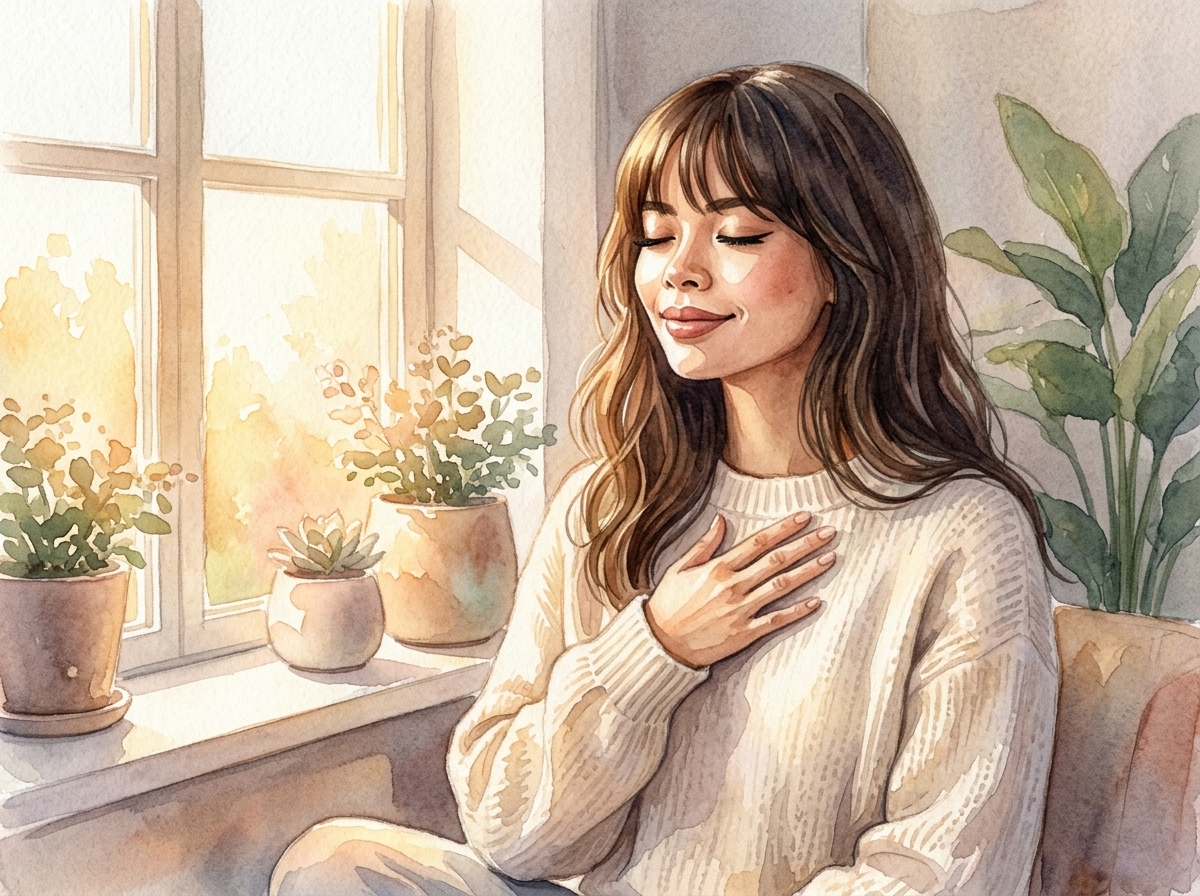
- Place one hand on your heart, take three deep breaths, and simply notice what arises
- Ask yourself: What emotion am I carrying today, and where do I feel it in my body?
Over time, this habit builds emotional intelligence and creates a safe inner space where healing can actually begin. You cannot heal what you refuse to feel — and check-ins make feeling safe again.
2. Release Through Movement and Somatic Practices
Healing is not only a mental process — it is deeply physical. Emotions are stored in the body, and one of the most effective emotional healing habits involves moving that energy through and out of your system. This is the foundation of somatic healing, a body-based approach that recognizes the powerful connection between physical sensation and emotional release.
You do not need to be a yoga expert or a trained therapist to benefit from somatic practices. Simple, intentional movement can be profoundly healing when done with awareness and presence.
Consider incorporating these body-based healing practices into your routine:
- Yoga or gentle stretching — especially hip openers, which are known to release stored emotional tension
- Shaking or free movement — letting your body move intuitively to release pent-up energy
- Walking in nature — grounding yourself in the present moment while allowing emotions to surface naturally
- Breathwork — conscious breathing techniques like box breathing or diaphragmatic breathing to calm the nervous system
- Dance — moving freely to music as a form of joyful, expressive emotional release
When you give your body permission to release, you create space for genuine healing to take root. Movement is medicine — and it is one of the most accessible emotional healing habits available to all of us.
3. Rewrite Your Inner Narrative With Self-Compassion
Much of our emotional pain is kept alive not by the original wound, but by the story we continue to tell ourselves about it. The inner critic — that harsh, relentless voice that says you are too much, not enough, broken, or unworthy — is one of the greatest obstacles to emotional healing. Learning to rewrite that narrative with self-compassion is a transformative habit that changes everything.
Self-compassion does not mean bypassing your pain or pretending everything is fine. It means meeting yourself with the same kindness you would offer a dear friend who is struggling. It means acknowledging your pain without drowning in it, and choosing to speak to yourself with gentleness rather than judgment.
Here is how to begin cultivating self-compassion as a daily healing habit:
- Notice when your inner critic speaks and gently redirect with: “I am doing the best I can.”
- Write yourself a compassionate letter as if you were writing to someone you deeply love
- Practice affirmations that feel true and grounding, not forced or performative
- Celebrate small wins and acknowledge your courage in showing up for your healing
Over time, this habit rewires the way you relate to yourself — and that shift is the foundation of lasting emotional freedom.
4. Build a Healing Environment and Support System
Healing does not happen in isolation. One of the most important emotional healing habits is intentionally curating the environment and relationships that surround you. Your external world has a profound impact on your internal world — and when you are in the process of healing, this matters more than ever.
Take an honest look at what you are consuming and who you are spending time with. Are your relationships nourishing or draining? Is your environment calm and supportive, or chaotic and triggering? Are the media, conversations, and content you engage with lifting you up or pulling you down?
Creating a healing environment might look like:
- Setting boundaries with people or situations that consistently leave you feeling depleted
- Surrounding yourself with beauty, nature, and things that bring you peace
- Seeking out a therapist, coach, or healing community that holds space for your growth
- Limiting exposure to negative news or social media that amplifies anxiety and comparison
- Filling your space with books, music, and rituals that support your healing journey
You deserve to be held in spaces that honor your healing. Building that environment is not selfish — it is essential.
Your Healing Journey Starts With One Small Step
Emotional healing habits are not about perfection or following a rigid program. They are about showing up for yourself with intention, consistency, and love — one day at a time. Whether you start with a five-minute journal session, a mindful walk, or simply placing your hand on your heart and breathing deeply, every small act of self-care is a step toward wholeness.
Healing is not linear. There will be days when it feels like you are moving backward, and days when everything suddenly feels lighter. Trust the process. Trust yourself. And remember — you are not broken. You are becoming. The emotional healing habits you build today are quietly laying the foundation for the version of you that is waiting on the other side of this journey.
You are worthy of healing. You are worthy of peace. And you are more capable of transformation than you have ever been told. Start today — one breath, one habit, one compassionate moment at a time.